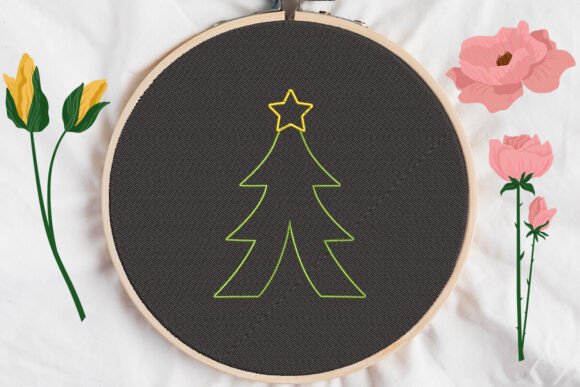
Tree Christmas Embroidery: A Designer’s Review
There is a specific kind of magic that happens when a simple concept translates perfectly into stitch work. As someone who has spent years evaluating digital assets for real-world application, I often find myself skeptical of designs that look promising on screen but fall flat under the needle. However, the Tree Christmas Embroidery design caught my eye not because of flashy complexity, but because of its inherent coziness and versatility. It promises to add a dash of holiday spirit without overwhelming the garment or accessory it adorns. In this review, I am putting aside the marketing fluff to evaluate this machine embroidery design based on how it actually performs in a production environment, from custom apparel to boutique merchandise.
First Impressions: Mood and Visual Personality
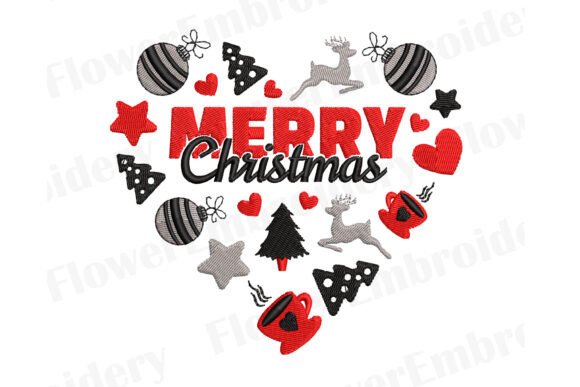
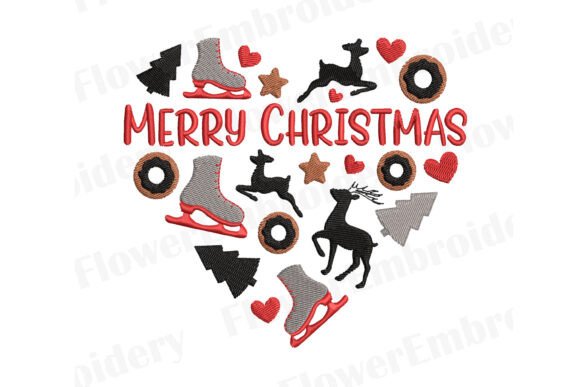
The moment you load the Tree Christmas Embroidery file into your digitizing software, the intent is clear. This is not an avant-garde art piece; it is a functional, charming design meant to evoke warmth and nostalgia. The visual personality leans heavily toward "cute" and "cozy," which makes it an ideal candidate for the current market trends in handmade goods. The shape is likely clean and recognizable, ensuring that even at a glance, the viewer understands the theme immediately.
For designers, the layout is crucial. A well-balanced composition allows for flexibility in placement. Whether you are centering it on a sweatshirt or offsetting it on a tote bag, the design needs to hold its integrity. From a professional standpoint, this design feels like it belongs in the realm of accessible luxury—items that feel special but are approachable enough for everyday wear. It avoids the cluttered aesthetic that plagues many holiday designs, opting instead for clarity and charm. This simplicity is a strength, particularly when considering how customers react to finished products. They want something that looks professional, not amateurish or overly busy.
Real-World Application: Where This Design Shines
The true test of any embroidery file is its performance across different mediums. I have been thinking through various scenarios where Tree Christmas Embroidery could be deployed effectively. Let’s look at some practical use cases.
- Tote Bags and Canvas Goods: One of the most popular items for Etsy sellers and craft fair vendors is the canvas tote. This design fits perfectly here. The sturdy fabric provides a stable base for stitching, allowing the details to pop. Imagine a neutral beige tote with this festive tree centered on the front—it becomes an instant gift-ready item.
- Sweatshirts and Apparel: For sweatshirt embroidery, this design offers a softer alternative to heavy, dense patterns. It works beautifully on crewnecks, creating a subtle nod to the season. It is perfect for custom apparel where the client wants to show holiday spirit without looking like they are wearing a billboard.
- Baby Items and Nursery Decor: The "cute" factor mentioned earlier makes this design excellent for baby clothes. Think onesies, burp cloths, or nursery wall hangings. The gentle aesthetic aligns well with pastel color palettes often used in baby products.
- Kitchen and Home Textiles: Tea towels, aprons, and pillow covers are another strong category. A kitchen towel featuring this design adds a touch of seasonal cheer to a home. It is a great way to upsell existing inventory during the holiday rush.
In each of these scenarios, the design acts as a focal point without dominating the product. It enhances the handmade product value by adding a layer of personalization that mass-produced items simply cannot match.
Technical Considerations and Potential Pitfalls
While the design is charming, no embroidery project is without its challenges. As a reviewer, I must highlight areas where caution is advised. Not every surface is created equal, and understanding the limitations of Tree Christmas Embroidery is key to avoiding costly mistakes.
Fabric Texture and Stability: If you plan to stitch this on a textured fabric like chunky knit wool or a nubby linen, you may encounter issues with stitch definition. The design likely relies on smooth surfaces to maintain its crisp lines. Similarly, thin fabrics can pucker if the underlying stabilizer is not chosen correctly. Always use a proper stabilizer appropriate for the weight of your fabric. For stretchy materials like jersey knits, a cut-away stabilizer is non-negotiable to prevent distortion.
Hoop Size and Detail: Be mindful of the hoop size. If you attempt to shrink this design down too small, you risk losing critical details. Small dots or intricate branches might merge together, resulting in a muddy appearance. It is generally safer to keep the design within its recommended dimensions to preserve the integrity of the stitch density.
Color Contrast: The effectiveness of this design will depend heavily on your thread choices. On dark fabric, you will need bright, contrasting threads to make the tree visible. On light fabric, darker threads provide a classic look. I recommend testing your thread colors on scrap fabric before committing to the final product. Poor contrast can render a beautiful design invisible.
Specific Fabric Warnings
- Avoid using this design on highly textured surfaces where stitches cannot lay flat.
- Be cautious with thin fabrics that may tear under hoop tension.
- On curved surfaces like caps, ensure the design is digitized specifically for curvature or use a flexible backing.
- Do not place dense stitch areas directly over seams or zippers, as this can cause bulk and discomfort.
Impact on Brand and Customer Trust
For small business owners and commercial embroidery professionals, the quality of your design directly impacts customer trust. A poorly executed stitch job can signal carelessness, whereas a clean, well-placed design signals professionalism. Tree Christmas Embroidery, when stitched correctly, elevates the perceived value of the item. It suggests that the maker put thought into the aesthetics, which encourages buyers to pay a premium price.
Furthermore, the design’s versatility supports brand consistency. You can use the same asset across multiple product lines—from embroidered patches to digital embroidery files sold to other makers. This creates a cohesive brand identity. When customers see a recognizable, high-quality design repeated across your shop, it builds recognition and loyalty.
Practical Advice for Designers
Before you start stitching, follow these steps to ensure success:
- Test on Scrap: Always run a test stitch on a piece of your actual fabric. Check for puckering, thread breaks, and alignment.
- Review Stitch Density: Look at the design in your software. Are there areas that are too dense? Can they be simplified?
- Check Licensing: If you plan to sell finished items, confirm the license terms. Ensure you have the right to produce commercial goods from this design asset.
- Mockup Visually: Create a black-and-white mockup to check contrast. Then, try different background colors to see how the design adapts.
- Inspect Details: Zoom in on small elements. Are they legible? Do they require excessive trimming?
By taking these precautions, you protect your reputation and ensure that your finished product meets the high standards your customers expect. Tree Christmas Embroidery is a solid choice for anyone looking to add a touch of holiday magic to their collection. It is practical, appealing, and versatile. With careful execution, it can become a staple in your winter lineup.