Tiger Digital Embroidery Design Review
As an embroidery designer who has spent years refining files for commercial production, I approach every new digital embroidery file with a critical eye. The difference between a design that looks good on a screen and one that translates flawlessly to fabric is often found in the details. Today, I am reviewing the Tiger Digital Embroidery Design, a piece categorized under Wild Animals that promises to bring power and beauty to your projects. For small business owners, Etsy sellers, and apparel decorators, understanding how this design performs in real-world applications is crucial before committing to bulk production.
First Impressions: Boldness Meets Professionalism
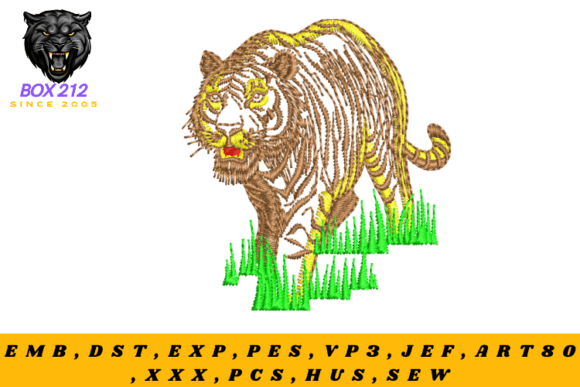
The description of the Tiger Digital Embroidery Design highlights its striking detail and captivating nature. From a design perspective, this suggests a file that leans towards the premium and bold end of the spectrum. When you are creating branded merchandise, you want imagery that commands attention without overwhelming the viewer. A tiger motif naturally carries connotations of strength, confidence, and wild elegance. This makes it an excellent choice for brands that want to project authority or uniqueness.
However, "strikingly detailed" is a double-edged sword in machine embroidery. High levels of detail can look stunning on a large tote bag but may turn into a muddy mess if scaled down too small. My initial assessment is that this design feels modern yet classic, suitable for businesses that want to stand out. It is not merely decorative; it serves as a strong visual anchor. Whether you are running a craft business, a local café, or a handmade boutique, this embroidery file offers a versatile aesthetic that can be adapted to various brand identities.
Real-World Business Applications
The true test of any machine embroidery design is its versatility across different product lines. Here is how the Tiger Digital Embroidery Design can elevate your small business merch:
- Embroidered Patches: This design shines when converted into high-quality embroidered patches. These are perfect for adding a unique touch to denim jackets, backpacks, or limited-edition merchandise. The bold lines of the tiger ensure the patch remains legible and impactful even from a distance.
- Staff Uniforms and Aprons: For cafes, bakeries, or florists, adding a subtle tiger accent to staff aprons can create a cohesive team look. It adds a touch of personality to work shirts without being overly aggressive. Placing it on the chest pocket or sleeve can enhance brand recognition among customers.
- Cap Embroidery: Custom caps remain a staple in promotional marketing. The tiger’s profile or full face works exceptionally well on the front panel of hats. Just ensure the curvature of the cap is accounted for during digitizing to prevent distortion.
- Tote Bag Designs: Tote bags are essential for craft fairs and retail stores. A large-scale application of this design on canvas totes creates a statement piece that customers are proud to carry, effectively turning them into walking billboards for your brand.
- Product Packaging Accents: Don’t overlook smaller items. Stitching a miniature version of the tiger onto hang tags or garment labels adds a tactile, premium feel to your finished product. This attention to detail significantly boosts perceived value.
Brand Identity and Customer Trust
In the competitive world of handmade products and digital assets, visual consistency is key. Using a high-quality design asset like the Tiger Digital Embroidery Design helps establish a professional image. When customers see crisp, clean stitching on your merchandise, it subconsciously signals quality craftsmanship. This builds trust and encourages repeat purchases. Furthermore, the distinctive nature of a tiger motif can help differentiate your brand from competitors who may be using more generic floral or geometric patterns.
Where to Use It Carefully
While this design is powerful, it requires strategic placement to avoid common embroidery pitfalls. As a designer, I advise caution in the following scenarios:
- Small Patch Sizes: If you plan to use this design on very small patches (under 2 inches), the intricate details may get lost. In such cases, simplifying the design or increasing the spacing between elements might be necessary to maintain clarity.
- Curved Surfaces: When applying this to curved surfaces like cap fronts or sleeves, ensure the digitizing accounts for the curve. Flat designs applied to curves can stretch and distort, ruining the tiger’s facial features.
- High Stitch Density: Detailed tigers often require higher stitch density. On lightweight fabrics or delicate materials, this can cause puckering. Always test on the actual fabric you intend to use.
- Detailed Outlines: Fine outlines can sometimes merge together if the thread tension is not perfectly calibrated. This is especially risky on textured fabrics where the needle penetration varies.
- Frequent Washing: For items like aprons or work shirts that undergo frequent laundering, ensure the stabilizer used is robust enough to support the dense stitching. Poor stabilization can lead to thread breakage or design degradation over time.
Practical Designer Notes for Production
To ensure the best results when integrating the Tiger Digital Embroidery Design into your workflow, follow these practical steps:
- Test in Black and White: Before selecting thread colors, view the design in black and white. This helps you assess the balance and contrast of the shapes without the distraction of color.
- Check Thread Color Contrast: Ensure there is sufficient contrast between the background fabric and the thread colors. Dark uniforms require light threads, and vice versa, to make the tiger pop.
- Inspect Spacing: Zoom in on the digitized file to check the spacing between stitches. Crowded areas can lead to thread breaks, while sparse areas may look unfinished.
- Confirm Hoop Size: Verify that the final design dimensions fit comfortably within your standard hoop sizes. This prevents unnecessary re-digitizing or resizing issues.
- Use Proper Stabilizer: The choice of stabilizer (cut-away vs. tear-away) depends heavily on the fabric texture and the weight of the embroidery. Incorrect stabilization is a leading cause of poor quality finishes.
- Create a Printable Mockup: Before producing physical samples, create a printable mockup for client approval. This allows stakeholders to visualize the design on their specific products without wasting materials.
- Compare with Other Assets: Place this design beside other design assets in your collection to ensure it fits the overall aesthetic of your brand.
- Confirm Commercial Licensing: Most importantly, always confirm the commercial licensing terms before using this digital embroidery file for business purposes. Unauthorized commercial use can lead to legal issues.
Final Verdict
The Tiger Digital Embroidery Design is a compelling addition to any embroiderer’s library, particularly for those focused on bold, character-driven branding. Its ability to convey strength and beauty makes it ideal for a wide range of applications, from custom apparel to branded patches. However, success lies in execution. By paying close attention to stitch density, fabric choice, and proper testing, you can transform this digital file into a tangible asset that enhances your brand identity and delights your customers.
For small business owners and designers looking to add a touch of wild elegance to their offerings, this design is worth considering. Just remember to check the specific technical details—such as exact stitch count, file format compatibility, and precise hoop size requirements—before moving to full-scale production. With careful planning and professional finishing, the Tiger Digital Embroidery Design can become a standout feature in your product line.