Sweet Cat Machine Embroidery Design Review
As an experienced embroidery designer, I spend my days evaluating how digital files translate into tangible products. When a small business owner or Etsy seller asks for my opinion on a new asset, they aren’t just looking for something "cute." They are looking for profitability, durability, and brand alignment. Today, I am reviewing the Sweet Cat Machine Embroidery Design, a piece that promises a delightful aesthetic with a minimalist twist. This review is tailored for apparel decorators, boutique owners, and merch creators who need to know if this design will hold up in real-world commercial applications.
First Impressions: A Modern Minimalist Approach
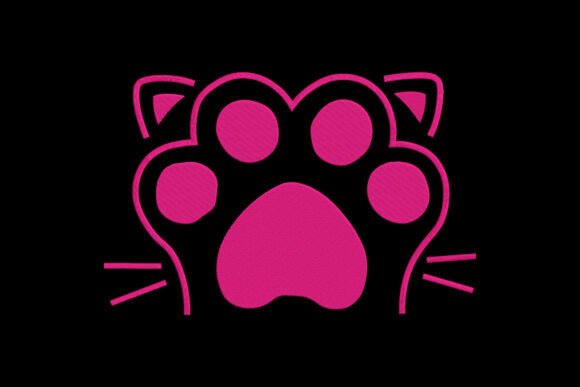
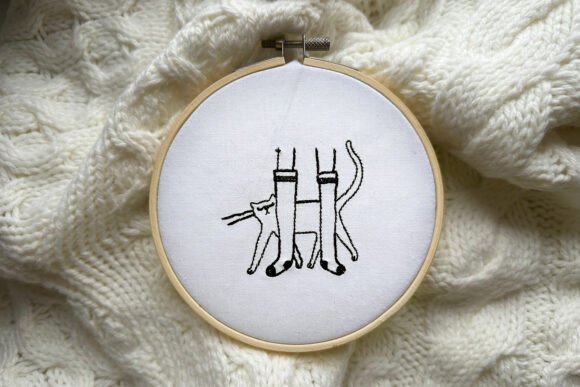
The moment you load the Sweet Cat Machine Embroidery Design, the first thing that strikes you is its clean, uncluttered composition. The description highlights an adorable cat playfully walking between legs, crafted in a charming one-line style. In the world of machine embroidery design, simplicity is often the hardest challenge to master, yet it yields the highest success rate for mass production.
This design feels modern and premium rather than rustic or overly decorative. The minimalist aesthetic adds a level of sophistication that appeals to contemporary consumers. For a small business, this means the design won’t look dated in six months. It has a timeless quality that works well for brands aiming for a handmade but polished presentation. The playful nature of the subject matter—walking between legs—adds a touch of personality without being distracting, making it versatile enough for various industries, from pet care to lifestyle brands.
Real-World Business Applications
So, where does this embroidery file shine? Let’s break down its potential across different product categories.
Branded Patches and Logos
The most immediate use case for this design is as an embroidered patch. Because of its one-line style, it likely holds together well even at smaller sizes. Small businesses love patches because they can be easily applied to hats, jackets, and bags using iron-on backing or sewn-in edges. Imagine a local café using this as a chest logo accent on barista aprons, or a pet brand attaching it to the back of a dog collar tag bag. The design’s clarity ensures it remains recognizable even when scaled down, which is crucial for small business merch where budget constraints often limit production runs.
Apparel and Accessories
This design is perfect for custom apparel details. Consider placing it on the sleeve of a work shirt or as a subtle mark on the hem of a tote bag. The playful movement of the cat adds visual interest without overwhelming the garment. For cap embroidery, the compact nature of the one-line art means it fits comfortably on the front panel without distorting the curvature of the hat. It also serves as an excellent tote bag design element, adding a personal touch that customers associate with artisanal quality.
Boutique Merchandise and Packaging
For crafters and digital file buyers, this design offers flexibility beyond clothing. Use it as a branded product add-on on packaging labels, or create a series of customer gifts featuring the cat motif. The brand identity strength here lies in its consistency; if your brand voice is friendly, approachable, and slightly whimsical, this design reinforces that message instantly. It helps build customer trust by signaling attention to detail and a commitment to quality aesthetics.
Strategic Placement and Cautionary Notes
While the design is strong, no embroidery project is without its risks. As a professional, I advise careful consideration of placement and fabric choice.
- Small Patch Sizes: While the one-line style is efficient, always test the design at its smallest intended scale. If the lines become too thin, they may merge during stitching, losing the definition of the cat’s form.
- Curved Surfaces: When applying to caps or curved tote handles, ensure the design has enough negative space to accommodate the curve without stretching or pucker.
- High Stitch Density: Although minimalist, check the stitch density settings. Too much density on a lightweight fabric can cause stiffness, while too little may result in visible background fabric. Adjusting thread tension is key.
- Fabric Texture: Avoid highly textured fabrics like heavy boucle wool, which can obscure the fine lines of the one-style art. Smooth cottons, poly-cotton blends, and denim are ideal candidates.
- Durability: For items requiring frequent washing, such as staff uniforms or apron embroidery, ensure the design uses secure anchoring stitches to prevent unraveling over time.
Impact on Brand Identity and Professionalism
In the competitive landscape of online marketplaces, visual consistency is everything. Using a cohesive set of design assets helps establish a recognizable brand identity. The Sweet Cat Machine Embroidery Design contributes to this by offering a friendly yet professional look. It avoids the trap of looking too childish or too corporate, striking a balance that appeals to a broad demographic.
When customers see a high-quality embroidered logo on a product, it elevates the perceived value of the item. It signals that the business cares about the details. This translates directly into higher conversion rates and repeat purchases. Furthermore, the unique character of the cat design can become a signature element of your brand, aiding in buyer engagement through social media sharing and word-of-mouth marketing.
Practical Designer Notes for Production
Before you commit to a large production run, follow these essential steps to ensure success:
- Test in Black and White: Convert the design to monochrome to check contrast and spacing. This reveals if the design relies too heavily on color to define its shape.
- Check Thread Color Contrast: Select thread colors that stand out against your target fabric. A light gray cat on white fabric may disappear, whereas a navy blue on cream will pop.
- Inspect Spacing and Hoop Size: Confirm the hoop size required matches your machine capabilities. Ensure there is adequate margin around the design to avoid edge stitching issues.
- Use Proper Stabilizer: The choice of stabilizer (cut-away vs. tear-away) depends on the fabric. For stretchy knits, a cut-away stabilizer provides necessary support to maintain the design’s integrity.
- Create a Printable Mockup: Before embroidering, generate a printable mockup to show clients or stakeholders. This helps visualize the final product and catch any proportion errors early.
- Confirm Commercial Licensing: Always verify the terms of use. Ensure you have the right to sell physical goods made with this digital embroidery file for commercial embroidery projects.
Final Verdict
The Sweet Cat Machine Embroidery Design is a strong candidate for small business owners seeking to add a touch of warmth and professionalism to their merchandise. Its minimalist one-line style ensures versatility across various products, from apron embroidery to cap embroidery. By paying attention to fabric choices, stabilizer usage, and proper testing, you can leverage this design to enhance your handmade product line and strengthen your market presence. It is not just a decoration; it is a strategic tool for building a memorable brand.