Otomi Mexican Embroidery Design Review
As an embroidery designer who spends most of my days tweaking stitch paths and testing thread tensions, I am always on the lookout for designs that offer more than just a simple pattern. When browsing Creative Fabrica embroidery collections, I often find myself drawn to files that have immediate visual impact but require careful execution. This is exactly how I felt when I first examined the Otomi Mexican Embroidery Design. It promises a touch of charm, and after reviewing its potential for boutique apparel and sweatshirt projects, I believe it has genuine merit for small clothing brands and Etsy sellers looking to add cultural flair to their inventory.
First Impressions: Visual Personality and Mood
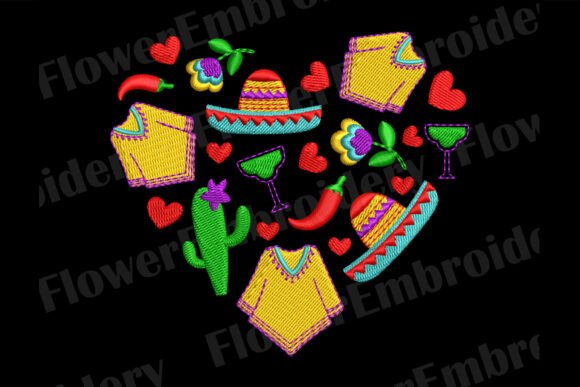
The moment you load the file into your digitizing software, the personality of this machine embroidery design becomes apparent. Otomi art is known for its vibrant, stylized nature, and this digital representation captures that essence well. The visual mood is playful yet rustic, striking a balance between cute and bold. For a boutique brand, this means the design can serve as a focal point without overwhelming the garment’s silhouette.
In terms of detail level, the design appears to have strong decorative strength. It feels premium rather than basic, which is crucial when you are trying to justify a higher price point for a handmade product. Whether you are aiming for a feminine aesthetic or a trendy, global-inspired look, this embroidery file delivers. It does not feel minimal; instead, it brings a rich texture that invites closer inspection, making it perfect for lifestyle product photos where customers want to see quality up close.
Application on Apparel and Accessories
One of the primary reasons I evaluate these files is to see how they translate from screen to fabric. I have been planning a small collection centered around cozy seasonal outfits, and the Otomi Mexican Embroidery Design fits seamlessly into that vision. Here is how I envision it performing across different garment types:
- Sweatshirt Embroidery: On neutral heather gray or cream sweatshirts, the design will pop beautifully. The contrast allows the intricate details to shine, making it ideal for chest placement or a larger back design. It adds a layer of sophistication to what is typically a casual garment.
- Hoodie Chest Placement: For a hoodie design, placing this motif on the left chest offers a subtle nod to heritage style. It works exceptionally well on pastel hoodies, where the softer colors complement the traditional motifs without clashing.
- Oversized Garments: Oversized fits are currently trending. Using this design on the sleeve or as a large graphic on the front of an oversized tee creates a dynamic, editorial look that appeals to younger demographics.
- Denim Jackets and Tote Bags: Denim provides a sturdy canvas that can handle the visual weight of this pattern. A custom apparel jacket featuring this design on the back yoke would be a standout item. Similarly, on canvas tote bags, it serves as both decoration and a statement piece for everyday use.
This versatility makes it a valuable asset for commercial embroidery businesses. You are not limited to one product type; the same digital embroidery file can drive sales across multiple categories, from wearable fashion to home decor items like pillows and towels.
Enhancing Brand Identity and Value
Using culturally inspired art like this can significantly affect your brand identity. It signals to buyers that you pay attention to detail and appreciate artistic heritage. When executed well, it boosts buyer trust and product recognition. Customers associate high-quality stitching with durability and care, which enhances the perceived value of your finished product. Furthermore, having a unique design helps your shop stand out in crowded marketplaces like Etsy, where visual consistency and professional presentation are key to customer engagement.
Practical Designer Notes and Technical Considerations
While the design looks stunning in mockups, real-world application requires technical diligence. As an experienced designer, I must advise caution in several areas to ensure the best results.
First, always test on scrap fabric before committing to expensive garments. Different fleece blends and cotton weights react differently to needle penetration. Check the stabilizer choice carefully; dense stitch areas may require cut-away stabilizer to prevent puckering, especially on stretchy fabrics like jersey or ribbed cuffs.
When selecting thread colors, consider the base fabric. On dark garments, light-colored threads might get lost unless you use a contrasting underlay or specific color blocking. Inspect the stitch density in your software to ensure it is appropriate for the fabric thickness. If the density is too high for a lightweight t-shirt, it may cause distortion. Conversely, if it is too sparse on a heavy hoodie, it may lack definition.
Be mindful of hoop size limitations. Ensure the design fits within your machine’s hoop while allowing enough margin for handling. Also, review the formats – DSB, DST provided in the product description. Confirm that your production machines support these formats. If you are using specialized software, verify compatibility early in the process.
Areas to Use Carefully
There are specific zones on garments where this design might face challenges:
- Small Chest Placement: If the design is complex, shrinking it down too much can result in muddy stitches. Ensure the minimum stitch size is legible.
- Curved Surfaces: Avoid placing the design directly over seams or highly curved areas like the shoulder slope, as stretching during wear can distort the pattern.
- Ribbed Fabric: Ribbing stretches significantly. Embroidering here requires specialized techniques and potentially a different stabilizer approach to maintain integrity.
- Tiny Lettering: If the file includes text, check that it remains readable. Small fonts can become illegible after washing, especially on textured fabrics.
Licensing and Commercial Use
Before adding this to your Etsy listings or social media graphics, it is imperative to check the Creative Fabrica product details and licensing terms. Understanding whether you have commercial rights for physical goods versus digital resale is essential for protecting your business. Most platforms allow for selling finished products, but restrictions may apply to redistributing the file itself. Always confirm these details to avoid legal issues.
Final Thoughts
The Otomi Mexican Embroidery Design is a versatile, charming addition to any embroiderer’s library. Its blend of cultural aesthetic and modern appeal makes it suitable for a wide range of boutique merchandise. From cozy hoodies to stylish tote bags, this design offers the potential to create memorable, high-quality pieces. By paying attention to technical details like stabilizer choice, thread contrast, and fabric texture, you can leverage this machine embroidery design to build a cohesive and attractive product line. For creative entrepreneurs seeking to elevate their handmade product offerings, this file is certainly worth considering.