Merry and Pregnant Applique Embroidery Review
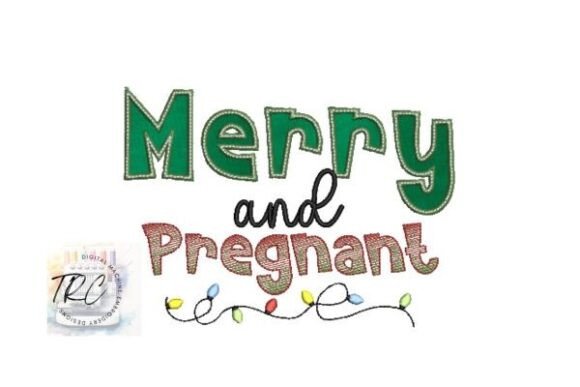
As an embroidery designer who spends weekends hunched over a machine and weekdays prepping for craft fairs, I know that the difference between a stall that sells out and one that gathers dust often comes down to design selection. You are not just selling fabric; you are selling a moment, a memory, or a gift of recognition. This week, I am reviewing Merry and Pregnant Applique Embroidery, a design that targets a very specific, highly emotional niche: the holiday season combined with new motherhood.
If you are an Etsy seller, a boutique maker, or a small shop product owner looking to capitalize on the Christmas rush, this review breaks down whether this design is worth your hoop time and thread costs. We will look at how it performs as a craft fair product, its practical application on various items, and the production realities you need to consider before printing your first batch.
First Impressions: Emotional Resonance and Visual Appeal
The title Merry and Pregnant Applique Embroidery immediately signals intent. In the world of handmade gifts, specificity sells. During the holidays, expectant mothers are often looking for unique ways to announce their pregnancy or celebrate their changing bodies in a festive way. They want something that feels personal, whimsical, and celebratory.
From a visual standpoint, an applique style is generally superior to pure stitch designs for several reasons. It allows for larger areas of color without the heavy texture of dense stitching, which makes the final piece feel lighter and more elegant. For a craft fair booth, this design likely offers a strong "stop-and-look" factor. It combines the traditional warmth of Christmas with the tender joy of impending parenthood. It is not just decorative; it is narrative. Customers walking by your table will see it and think, "That is exactly what I have been looking for." This emotional connection is the primary driver of sales at weekend markets.
Product Applications: Where Does It Shine?
Not all embroidery files translate equally well to every item. Here is how Merry and Pregnant Applique Embroidery might perform across different categories of handmade products.
- Tote Bags and Market Bags: A canvas tote bag is a staple for any embroiderer. The structured surface provides a perfect backdrop for applique work. Because the design is likely festive and perhaps features text, a neutral-colored tote (cream, beige, or soft pastels) will allow the colors to pop. This is an excellent entry-level price point for buyers who want a subtle but meaningful accessory.
- Aprons and Tea Towels: These are classic kitchen items that see high traffic during the holidays. An apron embroidery design can serve as both a functional tool and a statement piece. However, be mindful of the placement. On an apron, the design should sit centrally on the bib or lower on the skirt, avoiding areas where knots or ties might interfere. For tea towel embroidery, the hemstitch edges provide a beautiful frame for a smaller, centered applique motif.
- Caps and Beanies: Curved surfaces present a challenge. While a cap can be a trendy gift, the curvature can distort the perception of the design, especially if there is text involved. If you choose this route, ensure the design is scaled appropriately so lettering remains legible. Alternatively, a soft knit beanie might offer a cozier, more intimate feel for a maternity gift.
- Embellished Patches and Pouches: Creating an embroidered patch allows you to sell the design separately or attach it to other goods like denim jackets or backpacks. Small fabric pouches for makeup or jewelry also benefit from this type of whimsical motif, offering a premium touch to a simple item.
- Pillow Covers and Home Decor: For a higher-ticket item, a throw pillow cover can showcase the design beautifully. The flat, expansive surface allows for intricate details to be appreciated. This positions the item as a home decor piece rather than just a garment, appealing to customers buying gifts for others.
Photography and Online Listings
For the digital embroidery file seller or the Etsy seller, photography is half the battle. A design like this needs to be photographed in context. Show it on a pregnant model if possible, or styled with holiday props like pine cones, ornaments, or cocoa mugs. A printable mockup can help visualize the scale, but nothing beats a real-world photo showing how the thread colors interact with the fabric texture. Ensure your listing highlights the versatility of the design assets, mentioning that it works well for commercial embroidery projects.
Production Realities and Technical Considerations
Before you commit to a large batch production run, you must evaluate the technical aspects of the machine embroidery design. Practicality dictates profitability.
Stitch Density and Fabric Texture: Applique designs typically involve a combination of cutwork and satin stitches. Check the stitch density carefully. If the density is too high, it may pucker lightweight fabrics like muslin or thin cotton blends. Conversely, if it is too light, it may lack durability after washing. Always test the design on scrap fabric that matches the weight and texture of your intended final product. This is crucial for maintaining brand consistency and ensuring customer satisfaction.
Hoop Size and Placement: Confirm the hoop size required by the file. A design that requires a large hoop limits the types of garments you can use. For instance, a standard 5x7 hoop fits most tote bags and towels easily, but may be restrictive for smaller items like baby onesies or narrow apron straps. Plan your layout to maximize fabric usage and minimize waste.
Thread Contrast and Colors: The success of an applique design relies heavily on the contrast between the base fabric and the applique pieces, as well as the top stitching. If you are using dark fabric, ensure the thread colors are vibrant enough to stand out. Test your thread choices against your fabric swatches under natural lighting conditions to avoid muddy tones.
Stabilizer Selection: Never underestimate the role of stabilizer. For woven fabrics like cotton canvas or linen, a tear-away or cut-away stabilizer is essential to prevent shifting and distortion. Using the wrong stabilizer can ruin even the best design, leading to puckering or misalignment. Invest in quality stabilizers to protect your reputation as a maker of fine handmade goods.
Selling Strategy for Craft Fairs and Boutiques
When setting up your booth display, consider grouping similar items together to create a cohesive story. Display the Merry and Pregnant Applique Embroidery on a variety of products to show versatility. Let customers see it on a tote, then an apron, then a pillow. This helps them visualize the design in their own homes or lives.
Target your marketing towards expectant mothers, grandparents-to-be, and friends looking for unique baby shower gifts. Use keywords like "maternity gift," "Christmas announcement," and "handmade holiday decor" in your online listings and social media posts. Engage with your audience by sharing behind-the-scenes content of the design process, highlighting the care and precision that goes into each finished product.
Final Verdict
Merry and Pregnant Applique Embroidery has strong potential as a seasonal bestseller. Its emotional appeal, combined with the practical benefits of applique construction, makes it a versatile choice for a wide range of products. By paying attention to technical details like stitch density, fabric choice, and stabilizer use, you can produce high-quality items that resonate with buyers.
Remember to check the commercial licensing terms before selling finished products. Ensure you have the right to use the design for profit. Once cleared, test thoroughly, photograph beautifully, and present your work with pride. This design could very well be the highlight of your holiday collection, bringing joy to customers and revenue to your business.