Kitchen Tools Split Embroidery Review
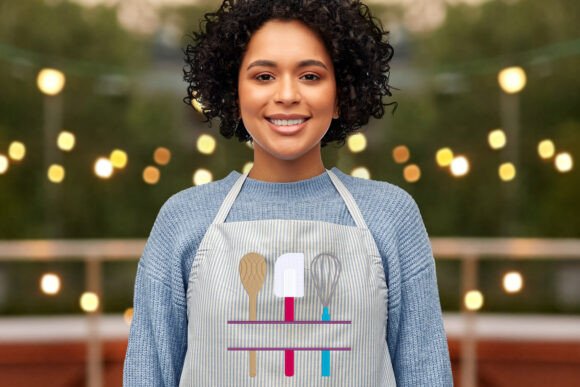
As an embroidery designer who spends weekends navigating the aisles of craft fairs and managing online handmade shops, I know that a design’s success often hinges on its immediate visual impact. When I first reviewed Kitchen Tools Split Embroidery, I wasn’t just looking at a file; I was evaluating a potential bestseller for my booth. The concept is straightforward yet highly effective: a whisk, a rubber spatula, and a wooden spoon arranged together, with a clever split in the center specifically designed to accommodate custom text. This feature alone transforms a simple graphic into a personalized gift item, which is the holy grail for any Etsy seller or boutique maker.
First Impressions and Visual Appeal
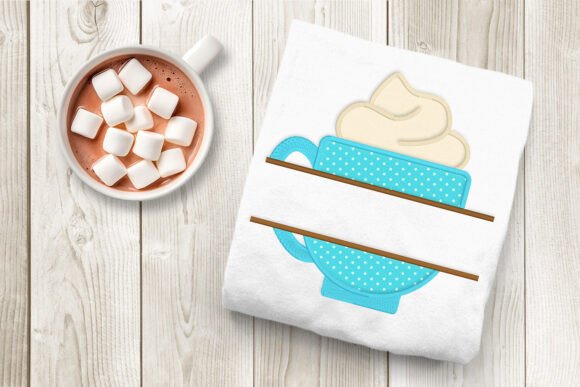
The initial aesthetic of this design strikes me as warm, rustic, and undeniably functional. It leans heavily into the farmhouse style that remains incredibly popular in home decor. The trio of tools—whisk, spatula, and spoon—is instantly recognizable, creating a strong narrative about cooking, baking, and hospitality without needing words. However, the true genius lies in the "split" mentioned in the description. This negative space isn’t just a gap; it’s an invitation for personalization. Whether you are adding a family name, a humorous kitchen quote, or a wedding date, the design provides a clean canvas that feels intentional rather than accidental.
In terms of mood, it feels premium yet approachable. It doesn’t scream for attention like a neon sign, but it invites a closer look. For a craft fair table, this subtlety works in your favor. Customers walking by might stop because the composition is balanced, and then stay because they see the opportunity to add their own text. This emotional connection is what drives impulse buys at weekend markets.
Product Versatility and Market Fit
One of the most critical questions for a digital embroidery file is where it fits best. Kitchen Tools Split Embroidery is remarkably versatile, making it a powerhouse for small shop products. Here is how I envision it performing across various categories:
- Tote Bags and Market Bags: A classic application. Placing the design centrally on a canvas tote bag creates a sturdy, durable product that appeals to grocery shoppers and farmers market goers. The size allows the details of the whisk and spoon to shine while leaving room for the custom text.
- Apron Embroidery: This is perhaps the strongest candidate. An apron is a functional garment that sees heavy use, so the design needs to be clear and not overly dense. Positioned on the chest bib, it serves as a badge of honor for the cook. The split area is perfect for a name, turning a generic gift into a cherished keepsake.
- Tea Towel Embroidery: Linen or cotton tea towels are high-margin items. The texture of the fabric complements the rustic theme of the wooden spoon and tools. Because towels are flat and stable during stitching, this design will likely render with excellent clarity, even if it includes some finer details in the whisk wires.
- Embroidered Patches: If you sell patches separately or attach them to denim jackets and caps, this design works well as a standalone icon. The defined shapes of the tools translate beautifully to patch form, especially when finished with a satin stitch border.
- Pillow Covers and Home Decor: For a softer touch, placing this design on a throw pillow adds character to a kitchen nook. It bridges the gap between utility and decoration, appealing to buyers who want their home accents to reflect their hobbies.
Production Practicalities and Quality Control
From a production standpoint, efficiency is key. Batch production requires designs that are forgiving and consistent. Kitchen Tools Split Embroidery appears to have a layout that supports this. The separation of elements allows for good spacing, reducing the risk of thread breaks caused by overcrowding. However, as a professional, I always advise testing before mass production.
When preparing your machine embroidery design files, pay close attention to the stitch density. Whisks often require many fine stitches to look realistic. If the density is too high, the fabric may pucker, especially on lighter materials like thin cotton tea towels. Conversely, if the stitches are too sparse, the design may look unfinished. Use a stabilizer appropriate for your fabric weight to ensure the structure holds up after washing.
Another crucial factor is thread contrast. On dark fabrics, such as navy blue aprons or black tote bags, you must ensure the thread colors pop. White or light pastel threads might get lost against a dark background unless you use a cut-away stabilizer and potentially a backing layer to prevent show-through. Always create a real mockup on the actual fabric you plan to sell. A printable mockup can give you a general idea, but only physical stitching reveals the true texture and depth of the final product.
Addressing Potential Challenges
While the design is strong, there are areas where caution is warranted. Tiny details, such as the handle textures or the bristles of the whisk, may lose clarity if you attempt to scale the design down too small. If you plan to offer smaller versions, test them thoroughly to ensure the individual tools remain distinguishable. Additionally, the "split" area for text must be large enough to accommodate lettering comfortably. If the text is too small, it becomes difficult to read, diminishing the personalized appeal that makes this design special.
Fabric texture also plays a role. Highly textured fabrics, like waffle-weave towels or nubby linens, can obscure fine embroidery details. For these materials, consider simplifying the design or using a higher thread count fabric to maintain sharpness. Curved surfaces, such as baseball caps, present another challenge. While the design can be digitized for curved applications, the perspective distortion may affect the alignment of the tools. It is often safer to start with flat projects like aprons and towels to master the execution before moving to complex shapes.
Marketing and Sales Strategy
For Etsy sellers and digital designers, the value of Kitchen Tools Split Embroidery extends beyond the physical product. It offers a unique selling proposition (USP) through customization. In your listings, emphasize the personalization aspect. Show customers examples of different text options within the split area. This helps them visualize the final result and increases the likelihood of a purchase.
Photography is equally important. When photographing your booth samples or online listings, focus on the interplay between the embroidered tools and the custom text. Use natural lighting to highlight the sheen of the threads and the texture of the fabric. Include lifestyle shots, such as the apron being worn in a kitchen or the tote bag filled with fresh produce, to help buyers imagine the product in their own lives.
Finally, confirm commercial licensing before selling finished products. Ensure you have the rights to use the design commercially, whether you are selling physical goods or digital templates. Clear licensing protects your brand and builds trust with your customers. By combining a well-designed file with thoughtful production and marketing, Kitchen Tools Split Embroidery can become a standout item in your collection, driving sales at craft fairs and online stores alike.