Heart Tree Embroidery Review
As a designer who spends more time looking at stitch density and fabric tension than I do scrolling through social media, I approach every new digital asset with a healthy dose of skepticism. We have all seen the beautiful mockups that fall apart in real life. That is why I decided to put Heart Tree Embroidery through its paces before adding it to my library of recommended designs for clients and personal projects. The promise of a colorful, versatile design that works across pillows, towels, and apparel is bold, but does the execution hold up under the needle?
First Impressions and Visual Personality
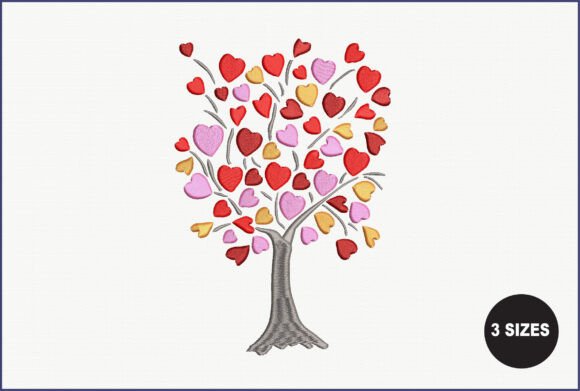
The moment I opened the files for this machine embroidery design, the mood was immediately clear. It is not trying to be subtle. The concept of a tree formed by or intertwined with hearts suggests growth, love, and organic connection. Visually, it strikes a balance between whimsical and structured. For an Etsy seller or a small business owner, this distinction matters. You want something that feels handmade and unique, not generic clip art.
The layout feels spacious enough to allow for good stitching clarity but detailed enough to look substantial on a finished product. When I first viewed the file structure, I noted that it comes with multiple embroidery file variations, which is a huge plus for versatility. Whether you are aiming for a delicate applique effect or a dense fill stitch statement, having options within the same download package saves time during the digitizing and planning phase. The visual personality leans toward warm and inviting, making it a natural fit for seasonal themes like Valentine’s Day, but also extending well into spring decor and year-round nursery items.
Real-World Application: The Tote Bag Test
To truly evaluate any embroidery project, you have to move it off the screen and onto fabric. My test case was a custom embroidered tote bag intended for a boutique client looking for a Valentine’s Day gift set. I selected a sturdy cotton canvas for the base, as I knew the design would benefit from a stable surface.
Stitching out the Heart Tree Embroidery revealed how the design handles different stitch types. The use of satin stitches for the outlines gives the tree trunk and heart shapes a crisp, defined edge. This is crucial for legibility, especially if the final product will be viewed from a distance at a craft fair or online marketplace. The fill stitches inside the hearts appeared even, without significant puckering, provided I used the correct stabilizer. On the canvas, the design looked professional and polished. It didn’t look like a quick hobbyist job; it looked like a branded piece of merchandise.
This brings us to the core value of this design for commercial use. It elevates the perceived value of the handmade product. A simple heart might feel cheap, but a structured tree motif with layered details suggests care and effort. Customers are willing to pay a premium for items that look thoughtfully designed. In my experience, this specific design translates beautifully to small shop products because it has a "story" element that buyers connect with emotionally.
Where Caution Is Required
No design is perfect for every surface, and being honest about limitations is part of responsible reviewing. While Heart Tree Embroidery performed well on flat, stable fabrics, there are areas where you need to be careful.
- Small Hoop Sizes: If you attempt to scale this down too much for tiny accessories like hair clips or small patches, you may lose the integrity of the smaller details. The resolution of the digitizing can only go so far. Always inspect small details closely when scaling down.
- Textured and Stretchy Fabrics: I tested this on a soft fleece for a potential baby item, and while the result was cute, the texture of the fabric slightly softened the sharp lines of the satin stitch. On stretchy knits, such as t-shirts or sweatshirts, you must ensure you are using a high-quality tear-away or cut-away stabilizer to prevent distortion. Without proper support, the tree shape could warp during washing.
- Dense Stitch Areas: If your machine settings are not optimized, the dense areas of the fill stitches can become stiff. This is particularly important for apparel where comfort is key. You do not want a sweatshirt back that feels like cardboard. Adjusting the thread tension and potentially reducing the stitch density slightly (if your software allows) can help maintain fabric drape.
- Curved Surfaces: Attempting to stitch this on a curved surface like a cap front is risky unless you have advanced digitizing skills to adjust the angle. The vertical nature of the tree might look unnatural if forced to conform to a curve without proper reshaping.
Design Notes for the Practical Maker
Before you rush to print 50 shirts or list this on your digital store, here are some practical notes from my workflow that can save you frustration.
- Thread Color Contrast: The design relies on contrast to pop. On dark fabric, you will need bright or metallic threads to make the white or light-colored elements visible. Conversely, on light fabric, darker threads provide necessary definition. Always test thread colors against your actual fabric swatch.
- Black and White Mockups: One trick I use is converting the design preview to black and white. This helps you see if the negative space is balanced. For Heart Tree Embroidery, the balance held up well, ensuring that the design doesn’t look cluttered or too sparse depending on the color choice.
- Stabilizer Choice: Do not skimp here. For home decor items like pillow covers or tea towels, a cut-away stabilizer is often best for longevity. For temporary items like party favors, a tear-away might suffice, but check the edges after removal to ensure no loose threads remain.
- Licensing Check: As a digital product seller or craft business owner, you must confirm the licensing terms. Does the purchase allow you to sell unlimited finished items? Can you use it in digital mockups? Never assume. Clear licensing protects your reputation and your bottom line.
Final Verdict on Versatility and Appeal
Does Heart Tree Embroidery deliver on its promise? Yes. It is a robust, visually appealing design that bridges the gap between decorative and functional. It works exceptionally well for personalized gifts, such as engraved wooden signs paired with embroidered fabric tags, or as a focal point on kitchen towels for housewarming presents.
The design assets are clean, and the resulting finished product exudes a sense of warmth and professionalism. It is not just another clipart heart; it has architectural integrity that holds up to close inspection. For apparel decorators looking to expand their Valentine’s Day or anniversary collections, this is a strong addition. It adds a touch of sophistication that appeals to buyers who want something better than mass-produced retail items.
I recommend keeping this in your rotation for spring and winter holidays alike. Its adaptability means it won’t gather dust on your hard drive. Just remember to respect the fabric, choose your stabilizer wisely, and always run a test stitch. When done correctly, this design transforms simple materials into cherished keepsakes, proving that thoughtful embroidery still has a powerful place in today’s handmade market.