Embroidery Frames
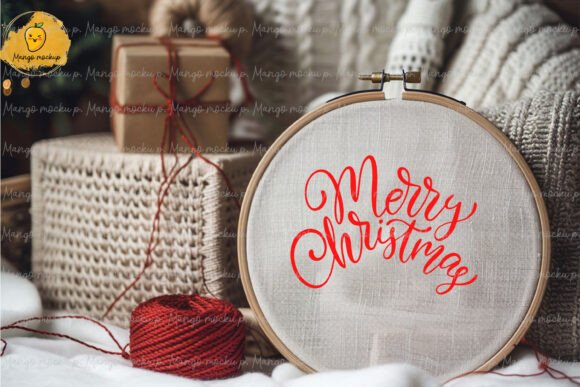
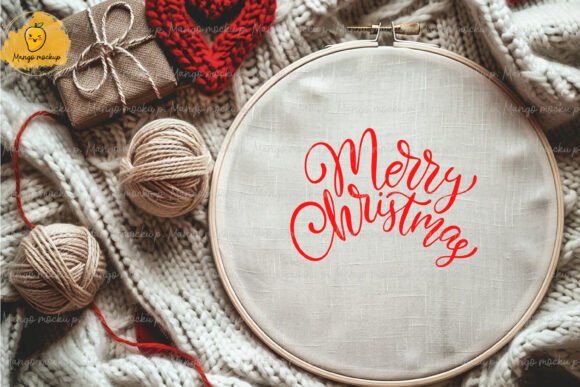
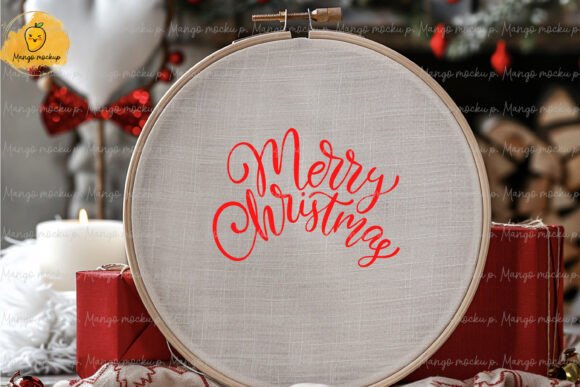
As an embroidery designer who spends weekends hunched over a sewing machine and weekdays prepping for local craft fairs, I have learned that the difference between a design that sits on the shelf and one that sells out by noon often comes down to visual impact. When I received the digital asset titled Embroidery Frames, my first instinct was to evaluate it not just as a graphic, but as a potential craft fair product. This is a Product Mockups category item, specifically a high-resolution JPG file at 3750x3000 pixels and 300 DPI. It is crucial to understand from the outset that this is a digital download only; no physical hoop or fabric will arrive at your door. However, for the savvy Etsy seller or boutique maker, this resolution offers incredible utility for creating stunning printable mockups or serving as a reference for digitizing a similar aesthetic.
First Impressions and Visual Appeal
The title Embroidery Frames suggests a classic, perhaps rustic or farmhouse aesthetic. In the world of handmade goods, "frames" often evoke feelings of nostalgia, home decor, and timeless elegance. From a design perspective, this implies a structure that is likely bold enough to be seen from across a booth table yet detailed enough to reward closer inspection. For a handmade product to stand out in a crowded market, it needs that immediate "stop power." A frame motif works beautifully because it naturally draws the eye inward, focusing attention on the center of the item—whether that is a logo, a phrase, or simply the texture of the fabric itself.
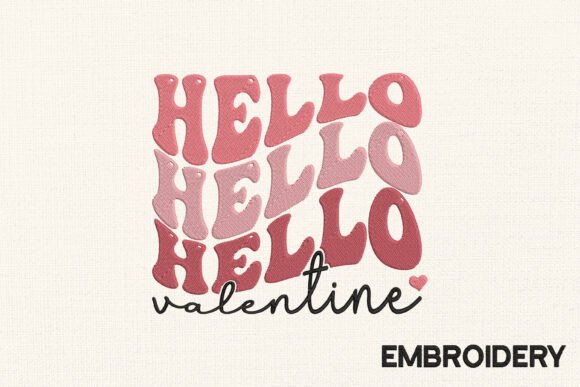
When evaluating the quality of this design assets package, the 300 DPI resolution ensures that every line and curve remains crisp. This is vital when you are preparing images for your online shop. Customers cannot touch the fabric through their screens; they rely entirely on the clarity of your photos. A sharp, high-resolution reference allows you to create professional-grade listings that convey premium quality. If you are using this as a template for a machine embroidery design, the clean lines suggest it will translate well into stitches, provided the digitization respects the original geometry.
Best Applications for Market Sellers
To maximize sales, you must match the design to the right substrate. The Embroidery Frames concept is incredibly versatile, but certain products allow it to shine brighter than others. Here is where I would focus my production efforts for maximum ROI:
- Tote Bag Design: Canvas tote bags are the bread and butter of any craft fair. A large, centered embroidered patch or direct-to-garment style frame design on a natural cotton tote screams artisan quality. The contrast between the rough canvas and smooth thread adds tactile value that customers love.
- Apron Embroidery: Kitchen linens are high-margin items. Placing a frame design on the bib of a denim or linen apron creates a sophisticated look. It frames the wearer’s chest area nicely and looks great in lifestyle photos. Ensure you test the stitch density so the fabric does not pucker around the neckline.
- Tea Towel Embroidery: Linen or heavy cotton tea towels are perfect for smaller frame motifs. These sell well as gift sets. Because the surface is flat and woven tightly, the details of the frame will remain sharp, avoiding the blurring that can happen on loose weaves.
- Embroidered Patch: Consider digitizing this into a cut-out patch with a merrowed edge. Patches are low-risk for beginners because they can be ironed or sewn onto almost anything—a cap, a backpack, a journal cover. They are excellent impulse buys at a booth.
- Pillow Covers: Home decor is a huge trend. A square pillow with a framed monogram or simple geometric frame design appeals to buyers looking for subtle luxury. Use a neutral thread color to keep it modern and minimal.
Production Practicalities and Technical Notes
Before committing to a full batch run, there are several technical considerations that separate a professional result from a amateur mistake. As an experienced designer, I always advise testing before scaling.
Thread Contrast and Fabric Texture: The success of any embroidery file depends heavily on the contrast between the thread and the base material. If your Embroidery Frames design uses light pastel threads, avoid dark fabrics unless you use a heavy underlay. Conversely, white thread on black fabric can sometimes lose definition if the stitch length is too long. Always check your thread colors against your actual inventory swatches.
Hoop Size and Stability: Confirm the recommended hoop size for the design. If the frame is large, you may need a multi-hooping technique, which increases production time. For complex frames, proper stabilization is non-negotiable. Use a tear-away stabilizer for wovens like cotton, but switch to a cut-away stabilizer for knits or stretchy fabrics like jersey caps. Without the right stabilizer, your beautiful frame design might shift or distort during stitching.
Dense Stitch Areas: Pay close attention to any solid filled areas within the frame. High stitch density can make fabric stiff and difficult to sew, especially on items like apron embroidery where comfort matters. If the design feels too thick, consider adjusting the digitization to use more running stitches or satin borders rather than dense fills. This improves drape and wearability.
Small Details and Lettering: If the frame includes tiny text or intricate inner details, remember that these may get lost on curved surfaces like baseball caps or small pouches. For such items, simplify the design or move it to a larger product like a market bag. Small lettering also requires high-quality thread; cheap polyester thread can break or fuzz up, ruining the fine lines of a delicate frame.
Selling Strategy and Brand Consistency
Using Embroidery Frames consistently across your product line builds a recognizable brand. Imagine a booth display featuring matching aprons, tea towels, and tote bags all adorned with variations of the same frame motif. This repetition creates a cohesive look that signals professionalism to buyers. It tells them, "This is a curated collection," rather than a random assortment of crafts.
For commercial embroidery sellers, this design is ideal for creating limited-edition drops. You can release a "Farmhouse Collection" or a "Modern Minimalist Line" based on this single concept. The versatility of a frame allows you to change the interior content (text, icons, florals) while keeping the outer structure consistent, saving you digitizing time and money.
When photographing your finished products, use the frame itself as a compositional tool. Place the embroidered item against a textured background that complements the frame’s style. If the frame is rustic, use wood or burlap backdrops. If it is modern, use clean white or concrete tones. This enhances the perceived value of the finished product, allowing you to command higher prices.
Final Verdict for Craft Fair Success
The Embroidery Frames digital asset is a strong candidate for inclusion in any serious maker’s toolkit. Its high resolution makes it perfect for creating realistic printable mockups to preview designs before stitching, and its classic theme ensures broad appeal across demographics. Whether you are an Etsy seller looking to boost click-through rates with better imagery, or a booth vendor aiming to create a stunning visual anchor for your table, this design delivers.
Remember to verify commercial licensing terms before selling finished goods, and always produce a real-world sample to check fit, feel, and durability. By combining this versatile design with careful production techniques and strategic merchandising, you can turn a simple digital file into a best-selling small shop product that delights customers and grows your business.