Doctor Embroidery Design Review
When I am evaluating a new embroidery file for my own studio or for client projects, I look past the pretty preview image. I need to know how it behaves on the hoop, how it translates to fabric, and whether it holds up as a viable product in a saturated market. Today, I am breaking down the Doctor Embroidery Design, a piece categorized under Work that promises to add a touch of whimsy charm to your textiles. After running through some mental simulations of stitching this out on various substrates, here is my honest assessment of its potential for real-world application.
First Impressions and Visual Personality
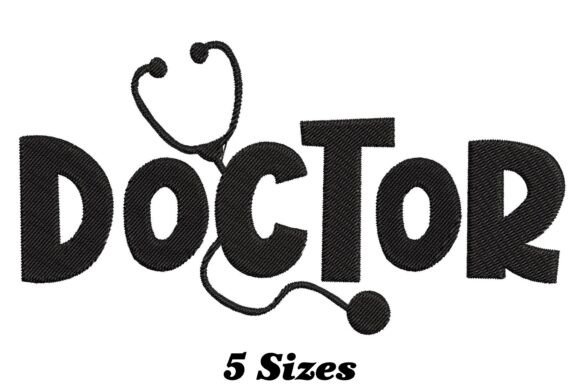
The moment you load this design into your digitizing software, the intent is clear: it is approachable, friendly, and slightly playful. The term "whimsy" is often overused in digital asset markets, but in this case, it fits. The layout suggests a character-driven motif that relies on clean lines rather than overwhelming complexity. For an embroidery designer, this is a relief. It means the design likely prioritizes readability over intricate detail, which is crucial when dealing with smaller hoop sizes or faster machine speeds.
Mood-wise, this design feels professional yet warm. It does not scream "medical drama," nor does it feel cold or clinical. Instead, it strikes a balance suitable for personalized gifts, nursery decor, or boutique branding. The visual personality suggests that this machine embroidery design is meant to be seen from a distance, making it ideal for larger placements on garments or home goods where the silhouette matters more than microscopic stitch work.
Real-World Application Scenarios
To truly understand the value of this embroidery project, we have to imagine it stitched. Let us look at a few specific use cases where this design could shine.
Custom Apparel and Sweatshirt Embroidery
Imagine preparing a custom order for a local clinic or a medical student’s graduation gift. Stitching this onto a high-quality cotton sweatshirt creates an instant classic. The contrast between the soft fleece and the structured stitches of the sweatshirt embroidery adds a tactile element that customers love. Because the design has a whimsical edge, it avoids looking like a generic uniform patch. It feels curated. This is exactly the kind of item that performs well in an Etsy listing or a small shop product page because it feels personal and thoughtful.
Tote Bag Design and Craft Business Items
For craft fair vendors, versatility is king. This design translates beautifully to canvas tote bags. When used as a tote bag design, the sturdy fabric supports the weight of the stitches without pucker. It works particularly well if paired with neutral thread colors, allowing the shape of the doctor motif to stand out. It is a smart addition to any craft business inventory aimed at healthcare workers who want to carry their gear with a smile.
Baby Embroidery and Nursery Decor
One of the most profitable niches for handmade products is baby items. This design can be adapted for onesies, burp cloths, or crib sheets. As a baby embroidery piece, it needs to be gentle and non-intimidating. The whimsical nature of this file helps soften the medical theme, making it acceptable for a nursery setting. It also serves as a great personalized gift for parents-to-be who are in the medical field, bridging the gap between their profession and their new life stage.
Technical Considerations and Fabric Compatibility
Not every fabric plays nice with every digitized pattern. Here is where my experience as a reviewer comes into play. You must consider the substrate before you hit start.
- Stabilizer Choice: Depending on the density of the fill stitch areas, you will likely need a cut-away stabilizer for stretchy fabrics like jersey knits to prevent distortion. For woven cottons, a tear-away might suffice, but testing is always recommended.
- Fabric Texture: Avoid highly textured fabrics like heavy bouclé or loose-weave linen. The details of the design may get lost, and needle penetration could become inconsistent. Stick to smooth surfaces like cotton twill, denim, or microfiber for the best clarity.
- Thread Colors: The success of this design hinges on contrast. If the design features fine lines, using low-contrast thread colors (like light gray on white) will result in a muddy finish. Choose bold, distinct threads to ensure the stitch density reads clearly.
Where to Exercise Caution
While this design is versatile, it is not a one-size-fits-all solution. There are specific scenarios where you should proceed with caution.
Small Hoop Sizes: If you are working with a 4x4 inch hoop or smaller, inspect the design closely. Tiny details, such as facial features or small text, may merge together during stitching. If the design includes delicate running stitch accents, they might break or disappear entirely in a small format. Always scale the design digitally before committing to fabric.
Dense Stitch Areas: Check the stitch density in the core elements. If the design uses heavy satin stitches in tight corners, it may create bulk or puckering, especially on thin fabrics. This is critical for custom apparel where comfort against the skin is important. If the back of the embroidery feels too stiff, consider reducing the fill percentage or adding more negative space.
Curved Surfaces: Attempting to stitch this on a curved surface like a baseball cap requires advanced hooping techniques. While possible, the distortion inherent in curving a flat design can warp the symmetry of the doctor motif. For beginners, stick to flat surfaces like aprons, pillow covers, or flat panels.
Impact on Product Value and Branding
From a business perspective, the right design elevates your brand. Using a cohesive, well-executed commercial embroidery file like this Doctor design signals professionalism to your buyers. It shows that you care about quality and aesthetic consistency.
When customers see a finished product with clear, crisp stitches, their trust in your craftsmanship increases. This is particularly true for Etsy sellers and digital product sellers who provide mockups. A clean, recognizable design makes for a compelling printable mockup, increasing click-through rates. The whimsical charm adds emotional value, making the item feel like a special keepsake rather than mass-produced merchandise.
Final Designer Notes
Before you rush to produce hundreds of units, remember these practical steps:
- Test on Scrap: Never skip the test run. Stitch the design on the actual fabric you plan to sell. Check for thread breaks, tension issues, and alignment.
- Black and White Mockups: View your design in grayscale to ensure the contrast levels are sufficient. Sometimes colors that look good on screen fail to distinguish themselves in thread form.
- Check Licensing: Confirm whether this digital embroidery file allows for commercial use. Selling finished items usually requires a commercial license, while creating design assets for resale may have different terms.
- Inspect Small Details: Zoom in on the digitization. Are there any unnecessary jumps? Is the underlay sufficient to hold the top stitches in place?
The Doctor Embroidery Design is a solid addition to any library focused on the Work category. It offers a charming, professional aesthetic that works across a wide range of mediums, from embroidered patches to holiday embroidery gifts. By paying attention to fabric choice, stabilizer support, and thread contrast, you can transform this simple file into a high-value handmade product that resonates with buyers. It is a practical, visually appealing choice for anyone looking to expand their offerings in the medical or wellness niche.