Autumn Two Leaf Embroidery Design Review
As an embroidery designer who spends half my life in the studio and the other half setting up booths at weekend craft fairs, I have learned one hard truth: customers do not buy files; they buy feelings. They buy the warmth of a handmade apron or the rustic charm of a tote bag hanging on a display rack. When I look at the Autumn Two Leaf Embroidery Design, I am not just looking at stitches; I am evaluating its potential to stop a passerby in their tracks and make them reach for their wallet.
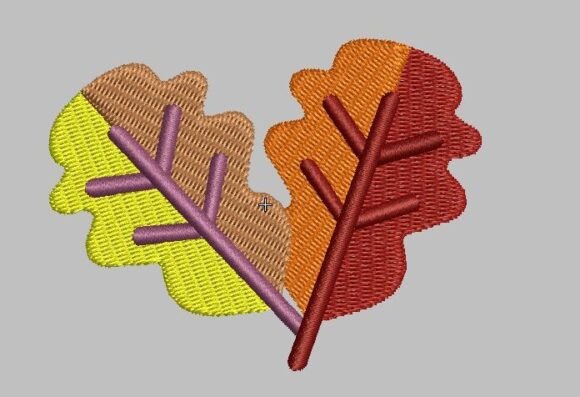
The description promises "two beautifully intertwined autumn leaves in warm tones" that reflect the essence of the season. This is a classic motif, but execution is everything. In this review, I will break down how this design performs as a commercial product, from production practicality to visual appeal on the shop floor.
First Impressions and Visual Appeal
When you first encounter the Autumn Two Leaf Embroidery Design, the immediate impression is one of elegant simplicity. It avoids the cluttered, overly complex aesthetic that often plagues mass-produced seasonal decor. Instead, it leans into a farmhouse-modern vibe that is incredibly popular right now. The intertwining nature of the leaves suggests movement and organic growth, which adds a premium feel to the final product.
For a craft fair booth, this design works because it is instantly recognizable. You do not need to explain what it is. It screams "fall." However, the success of this design hinges entirely on the thread colors chosen. Warm tones are specified, which likely means a palette of burnt orange, deep red, golden yellow, and perhaps a muted brown or olive green. These colors photograph exceptionally well under natural light, which is crucial for Etsy sellers and anyone relying on digital marketing. If the threads are too bright or neon, the design loses its sophisticated edge. If they are too dull, it disappears against neutral fabrics. The balance here is delicate but promising.
Product Versatility and Market Fit
One of the biggest challenges for any embroidery business owner is finding designs that can be applied across multiple product lines without feeling forced. The Autumn Two Leaf Embroidery Design excels in versatility. Because the motif is relatively contained yet impactful, it adapts seamlessly to various formats.
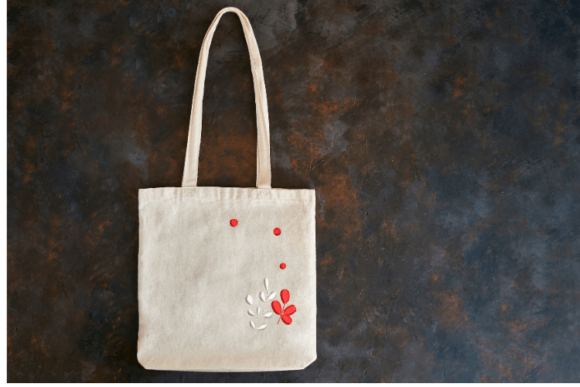
- Tote Bags: A tote bag design featuring these leaves is a staple for fall markets. Placed centrally on a canvas bag, it serves as a focal point. The intertwining shape fits well within standard hoop sizes, making production efficient.
- Kitchen Linens: For tea towel embroidery, this design offers a touch of elegance. It is not as heavy-handed as a full pumpkin print, making it suitable for customers who want subtle seasonal decor. On flour sack towels, the texture of the fabric complements the organic shape of the leaves.
- Applique and Patches: This design translates beautifully into an embroidered patch. The defined edges of the leaves allow for clean cut-aways or iron-on backing, creating a high-value accessory for denim jackets or beanies.
- Home Decor: On pillow covers or small pouches, the design adds a cozy accent. It pairs wonderfully with chunky knit textures or linen blends, enhancing the tactile experience of the handmade product.
From a commercial embroidery standpoint, the repetition of this design allows for batch production. You can set up your machine once and produce a run of identical items, keeping labor costs low while maintaining consistent quality. This repeatability is key for meeting demand during the peak autumn rush.
Photography and Online Presentation
In the digital age, your printable mockup is often the first interaction a customer has with your product. The Autumn Two Leaf Embroidery Design is highly photogenic. The contrast between the warm thread colors and typical fall fabric palettes (cream, beige, charcoal) creates depth in photos. When listing this as a small shop product on platforms like Etsy, ensure you capture close-up shots that highlight the stitch work. The "intertwined" aspect should be visible, showing the intricacy of the design. Avoid wide-angle shots where the details get lost; instead, use macro photography to show the texture of the thread against the fabric.
Production Practicality and Technical Considerations
Before committing to a large production run, any experienced designer knows that testing is non-negotiable. Here are the critical technical factors to evaluate when working with this machine embroidery design.
Stitch Density and Detail
The most important technical aspect to check is the stitch density. Leaves often require satin stitches for outlines and fill stitches for the body. If the density is too high, the fabric may pucker, especially on lightweight materials like tea towels or thin cottons. Conversely, if the density is too low, the design may look sparse and cheap. Inspect the file to ensure the leaf veins are not so fine that they disappear after washing. Tiny details are the enemy of durability in embroidered goods.
Fabric and Stabilizer Selection
The choice of fabric significantly impacts the final look. Fabric texture plays a huge role; a smooth cotton twill will render the leaves crisply, while a rough burlap might obscure the finer details. Always test on scrap fabric that matches your intended end product. Furthermore, using the correct stabilizer is essential. For curved surfaces like caps, a cut-away stabilizer provides the necessary support to prevent distortion. For flat items like aprons, a tear-away or wash-away stabilizer might suffice, depending on the weight of the fabric.
Hoop Size and Placement
Confirm the recommended hoop size for the Autumn Two Leaf Embroidery Design. If the design is too large for standard hoops, you may face challenges with multi-hooping, which increases the risk of misalignment. Ideally, this design should fit comfortably within a 5x7 or 6x10 inch hoop, allowing for easy placement on various items. Pay attention to spacing; ensure there is enough negative space around the leaves so the design does not feel cramped.
Selling Strategy and Customer Engagement
How does this design drive sales? The Autumn Two Leaf Embroidery Design taps into the emotional desire for comfort and tradition associated with fall. Customers are looking for items that make their homes feel warmer and their routines more pleasant. By positioning this design as part of a curated collection—perhaps pairing a matching apron and tea towel—you increase the perceived value of each item.
For booth displays, hang products at eye level. The warm tones will stand out against cooler backgrounds, drawing attention naturally. Use signage that highlights the handcrafted nature of the items. Emphasize keywords like "farmhouse style," "autumn harvest," and "hand-stitched detail." This language resonates with buyers who value authenticity over mass production.
Commercial Licensing and Final Checks
Before you start selling finished products, verify the licensing terms of the digital embroidery file. Ensure you have the right to sell physical goods made from the design. Some licenses restrict the number of units sold or prohibit certain types of merchandise. Additionally, create at least one real mockup before launching your campaign. Nothing sells better than proof of quality. Show potential customers that the finished product holds up to scrutiny.
In conclusion, the Autumn Two Leaf Embroidery Design is a strong contender for any craft fair product lineup. Its elegant simplicity, versatile application, and photogenic qualities make it a reliable choice for boosting sales during the autumn season. By paying close attention to thread selection, fabric compatibility, and production techniques, you can transform this design into a best-selling item that delights customers and strengthens your brand identity. Test thoroughly, present beautifully, and watch the orders roll in.